


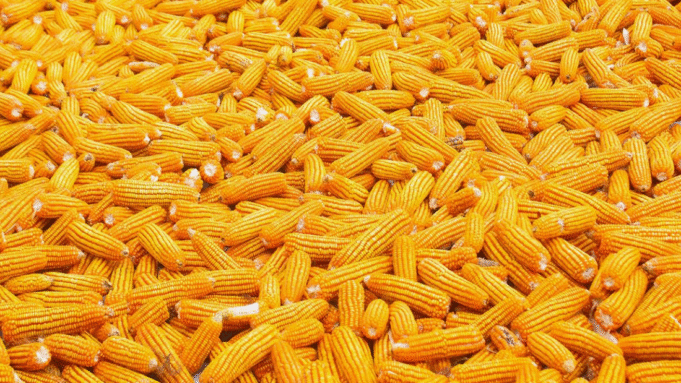
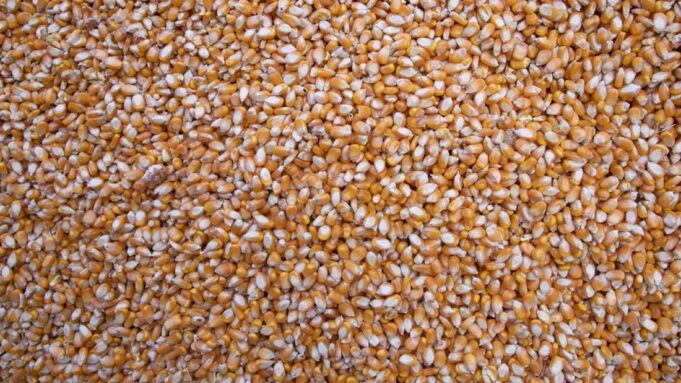
A bumper maize harvest in Zambia is emerging as an important regional food-security buffer, giving the country a substantial surplus ahead of what could be a more difficult 2026/27 production season. Zambia is heading towards its largest maize harvest on record, with the US Department of Agriculture estimating 2025/26 production at 4.9 million tonnes in its World Agricultural Supply and Demand Estimates report.
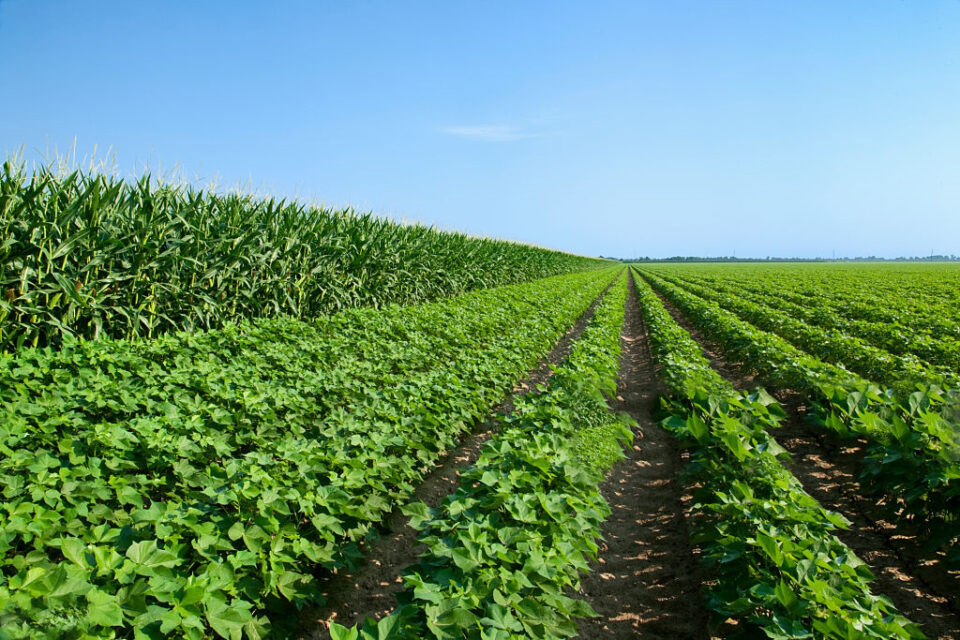
The figure represents a 28% increase from the previous season and confirms the scale of the country’s agricultural rebound after months of optimistic projections from the Ministry of Agriculture. The record crop has been driven by both expanded cultivation and improved yields. Planted area increased by 17% from 2024/25 to about two million hectares, while favourable La Niña rainfall conditions supported stronger production. For a country whose annual maize requirement is estimated at around 2.8 million tonnes, the harvest creates a substantial surplus. Approximately two million tonnes could therefore be available for exports or retained as carryover stocks, providing Zambia with a stronger food-security position heading into the next season.
That surplus could prove particularly important for the wider Southern African region, where several countries continue to face production shortfalls. Zambia is already positioned as a major source of maize for neighbouring markets, including Zimbabwe and the scale of this season’s harvest could strengthen its role as a regional food supplier. South Africa is also entering the period from a position of strength. The country recorded its own record maize harvest in 2025/26, estimated at 17.4 million tonnes against annual domestic requirements of about 12 million tonnes. Zambia and South Africa could therefore provide an important supply cushion for countries confronting maize deficits.
However, for Zambia, the significance of the harvest goes beyond export earnings. The country is heading into the 2026/27 summer season with stocks that could provide a measure of protection against weaker production. That buffer will become increasingly important if forecasts of drier conditions materialise. Rather than entering the new season with an immediate supply deficit, Zambia has the opportunity to use its current surplus to stabilise domestic availability while supporting regional markets. The challenge will be managing the surplus strategically. Strong exports can generate foreign exchange and support farmers but excessive outflows could undermine domestic availability if the next harvest falls sharply. For regional food markets, Zambia’s bumper crop provides some breathing room. For farmers and policymakers, however, the coming season will test whether the country can convert one exceptional harvest into longer-term food-system resilience.


Leave a Reply