


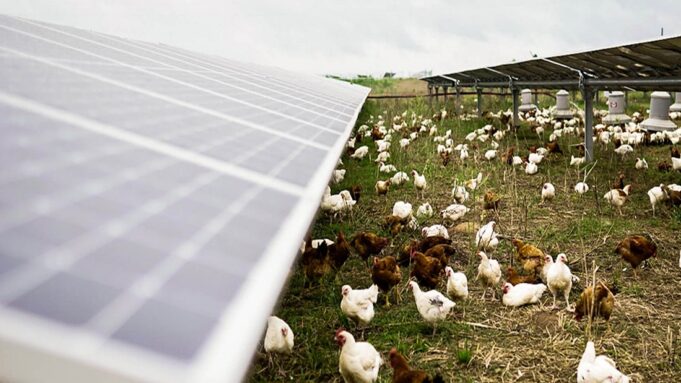
For Namibian farmers facing high electricity costs and increasingly unpredictable weather, renewable energy is shifting from an environmental aspiration to a practical business investment. Agriculture has long been central to food security, employment and industrial development, but maintaining profitable production is becoming increasingly dependent on farmers’ ability to control input costs and build resilience against climate pressures.
Namibia’s abundant sunshine gives farmers a potentially powerful tool in that effort. Solar and wind are among the country’s most readily available renewable resources, although solar has particular potential for agriculture given Namibia’s semi-arid climate. For farmers operating energy-intensive irrigation systems such as centre pivots, the financial case is becoming difficult to ignore, with monthly electricity bills ranging from N$15,000 to N$32,000. Moving from grid electricity to solar-powered irrigation requires a significant upfront investment in equipment and installation. Once operational, however, the system can substantially reduce ongoing energy costs, leaving farmers primarily with annual maintenance expenses.
With many solar panels capable of operating for between 15 and 30 years, the long-term savings can potentially outweigh the initial capital cost while freeing resources for other farm investments. The benefits extend beyond lowering electricity bills. Solar-powered pumps can extract groundwater into storage tanks, allowing farmers to irrigate crops through water-efficient systems such as drip irrigation. This can help sustain production during dry periods while improving the efficiency of scarce water resources. The same approach can be applied to water catchment areas such as oshanas. Solar-powered systems can move water to nearby fields during dry spells, turning water that might otherwise evaporate into a productive agricultural resource.
The model can also support orchards and other permanent crops established close to water sources. Beyond their commercial value, trees can contribute to climate mitigation by absorbing carbon dioxide, adding an environmental dimension to the investment. Energy independence could also help address one of agriculture’s persistent challenges: post-harvest losses. Solar-powered cold-storage facilities located close to production areas could provide farmers with better options for preserving perishable produce and reducing losses caused by inadequate on-farm storage. At a larger scale, commercial solar installations on farms could potentially feed excess electricity into the national grid, creating another revenue stream while helping reduce the cost of bulk electricity purchases from neighbouring countries such as Zambia and South Africa.
Wind energy offers a complementary opportunity, particularly in areas with reliable wind resources. Windmills linked to reservoirs can be used to pump groundwater for crops, livestock and wildlife, supporting agricultural activity in remote areas where grid access remains limited. The opportunity is therefore bigger than replacing conventional electricity with solar panels. Renewable energy could become part of a broader agricultural strategy focused on lowering production costs, improving water management, extending production seasons and strengthening resilience. In a country blessed with abundant sunlight and wind, renewable energy remains an underused agricultural asset.





Leave a Reply